Understanding the Various Kinds Of Stained Concrete for Your Following Job
Stained concrete deals various alternatives that deal with different aesthetic and functional needs. Each type presents distinctive qualities that influence the final appearance and durability of the surface. Understanding these differences is key for any person intending a task. From abundant, chain reactions of acid-based stains to the vivid uniformity of solid color stains, the selections can significantly impact the end result. What aspects should one take into consideration when choosing the ideal tarnish for their particular requirements?
Introduction of Stained Concrete
Stained concrete serves as a versatile floor covering alternative that can enhance the visual allure of numerous rooms. This technique entails applying a coloring agent to the surface of existing concrete, permitting a wide spectrum of design possibilities. Stained concrete is prominent in both property and industrial settings, supplying a sturdy and low-maintenance option that can resemble the appearance of all-natural products like rock or tile.
The staining procedure can be carried out making use of water-based or solvent-based items, each offering distinctive aesthetic impacts. The final appearance is affected by elements such as the original concrete surface area, the type of discolor made use of, and the application method. Stained concrete not just improves exterior and interiors yet also promotes sustainability by renewing existing concrete frameworks. As an outcome, it has actually obtained grip amongst property owners and developers seeking both functionality and design in their flooring selections.
Acid-Based Stains: Characteristics and Advantages
Special Color Variations
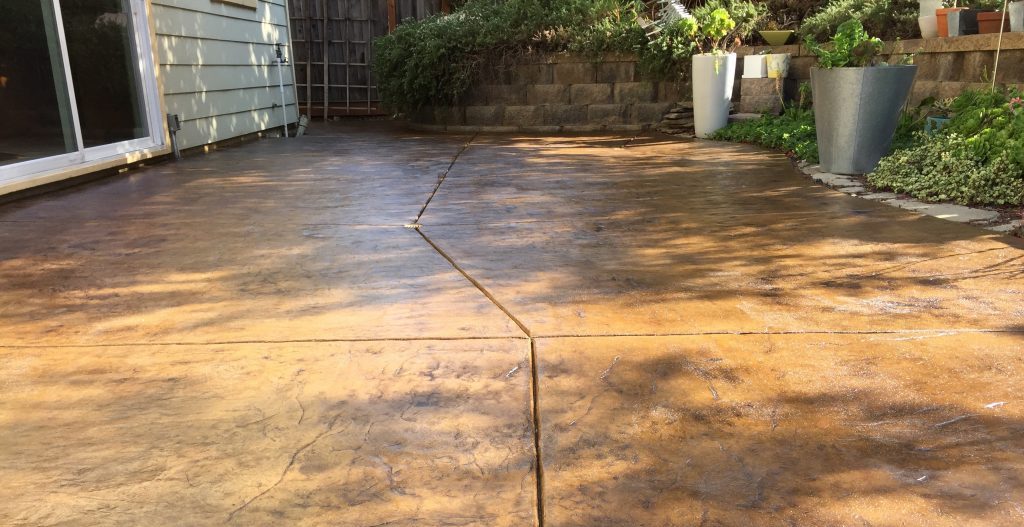
Concrete surfaces can transform substantially with the application of acid-based stains, which supply an abundant palette of special color variants. These stains pass through the concrete, responding chemically to create dynamic earth tones that range from deep browns and reds to soft eco-friendlies and blues. The resulting shades are frequently variegated, producing an all-natural, marble-like look that enhances the concrete's character. Each application returns distinct results because of variations in the concrete's composition and the staining strategy used, making every project special. In addition, acid-based stains can be layered or incorporated with other methods to produce customized styles, enabling individual expression. This adaptability makes acid-based stains a prominent selection for both residential and industrial applications.
Chain Reaction Explained
While several elements add to the effectiveness of acid-based stains, the underlying chemical reactions play a vital role in their special attributes and benefits. These stains mostly include water, acid, and metal salts. When related to concrete, the acid responds with the calcium hydroxide in the concrete, developing a chemical makeover that results in long-term shade adjustments. The metallic salts pass through the surface and bond with the concrete, permitting a variety of colors and tones. This reaction not just improves visual allure however also provides sturdiness, making the shade resistant to fading and wear. Furthermore, acid-based stains can produce a variegated finish that resembles natural rock, additional improving their popularity for ornamental concrete applications.
Surface Preparation Value
Attaining optimal outcomes with acid-based stains depends upon detailed surface preparation. This essential action guarantees that the concrete surface area is tidy, without impurities, and correctly profiled for excellent discolor absorption. Any type of existing sealers, dirt, or oils can impede the chain reaction that generates the desired shade and finish, causing unequal or uneven results.
Prior to applying the discolor, the concrete needs to be mechanically cleansed or stress cleaned, adhered to by a complete examination for cracks or blemishes that may call for fixing. Furthermore, verifying the surface area is adequately dried will certainly boost tarnish adherence. By prioritizing these primary measures, the long life and vibrancy of acid-based stains can be considerably boosted, leading to a much more visually pleasing and sturdy finish.
Water-Based Stains: Attributes and Advantages
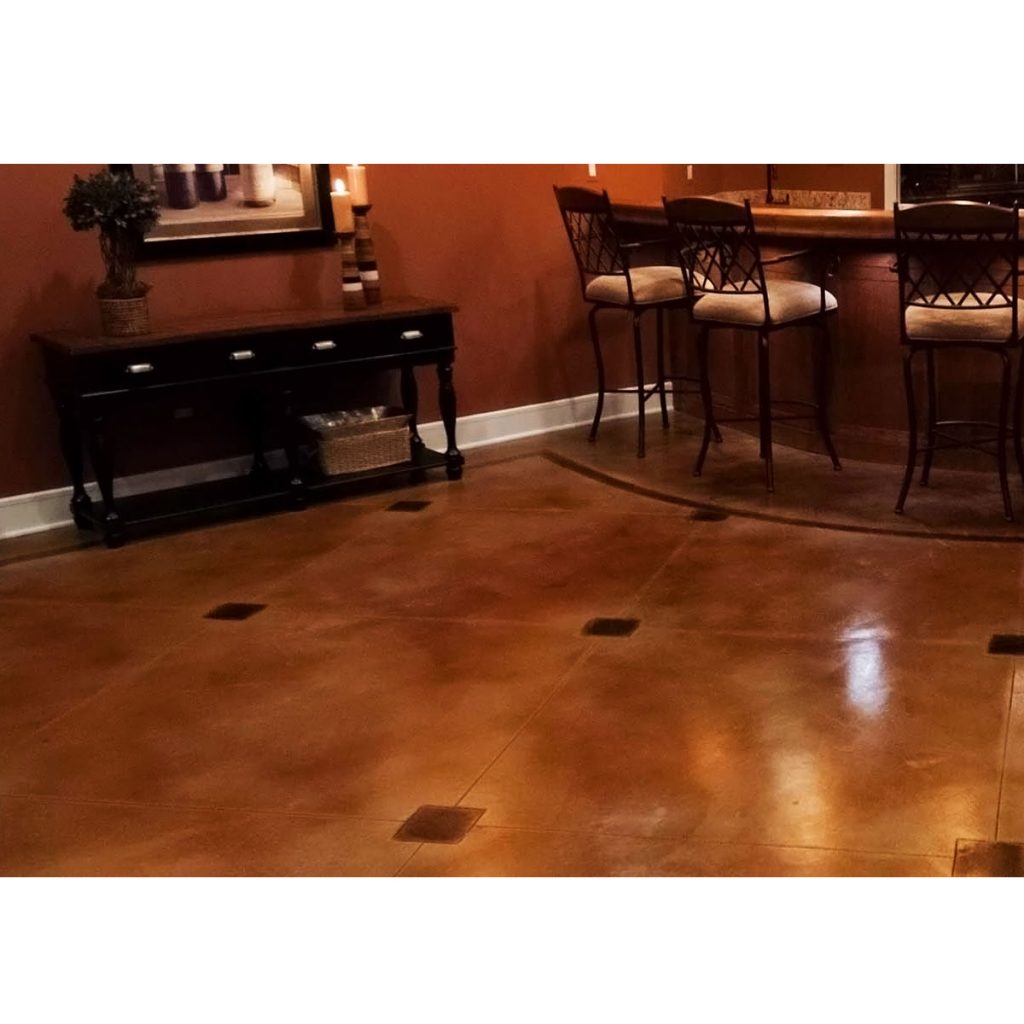
Water-based stains permeate the concrete, providing a more translucent finish that highlights the all-natural texture and variations of the surface area under. They are offered in a large range of colors, enabling for imaginative adaptability in style. Furthermore, water-based stains are easier to clean up, requiring just water and soap, which simplifies the application process.
Their fast drying out time enhances performance, making them a sensible option for both do it yourself fanatics and professionals. Generally, water-based stains provide an enticing mix of aesthetic versatility and straightforward residential properties, making them a prominent option for concrete improvement tasks.
Solid Color Stains: Lively Choices for a Vibrant Appearance
Strong shade stains supply a reliable solution for those seeking to develop a bold and dynamic visual on concrete surface areas. These stains supply a consistent pigmentation that can dramatically improve the visual charm of floorings, outdoor patios, and driveways. Available in a broad range of tones, solid color stains enable innovative expression, satisfying numerous design preferences.
Among the vital benefits of solid color stains is their ability to hide flaws, offering a fresh and sleek aim to aging concrete - Austin Stained Concrete Floors. Additionally, their solution normally includes UV-resistant residential or commercial properties, making sure durability and color retention even in severe weather
Application is straightforward, requiring very little prep work of the concrete surface area. As soon as applied, strong color stains can be sealed for included security and sheen, further elevating their visual quality. With their lively choices, strong color stains are a superb option for those going for an impactful and cohesive layout.
Semi-Transparent Stains: Attaining Depth and Dimension
Semi-transparent stains supply a distinct strategy to improving concrete surfaces by offering deepness and measurement through various color alternatives. Recognizing the application methods is important for attaining the wanted result, while correct upkeep techniques ensure durability. This area will certainly discover these key facets to take full advantage of the benefits of semi-transparent staining.
Color Options Available
A variety of shade choices exists for semi-transparent stains, allowing homeowners and developers to boost the all-natural beauty of concrete surface areas. These stains come in a selection of tones, from natural tones like browns and terracottas to dynamic shades such as blues and eco-friendlies. The semi-transparent nature of these stains permits the underlying concrete to reveal via, producing an one-of-a-kind deepness and measurement that browse around these guys can match different style visual appeals. Furthermore, incorporating different shades can generate customized tones, enabling a customized seek each job. This flexibility makes semi-transparent stains a preferred option for both exterior and interior applications, as they can harmonize with surrounding elements while including aesthetic interest to plain concrete.
Application Strategies Explained
To accomplish the preferred depth and measurement with semi-transparent stains, correct application strategies are crucial. Surface prep work is critical; the concrete should be clean and cost-free of any kind of contaminants. This commonly includes power washing and fixing any splits. Next off, selecting the appropriate applicator, such as a sprayer, roller, or brush, can affect the final appearance. Sprayers permit a much more also application, while rollers can assist accomplish structure. It is essential to use the stain in slim, even layers, allowing each layer to dry before adding one more. Manipulating the application strategy, such as differing stress or utilizing various devices, can create one-of-a-kind effects. Sealing the stained surface area enhances the vibrancy of the shades while offering defense.
Upkeep Best Practices
Regular upkeep is vital for protecting the appeal and honesty of surfaces treated with semi-transparent stains. To preserve these surfaces, regular cleaning is vital. Using a pH-neutral cleaner and a soft-bristle mop will aid get rid of dirt and debris without damaging the discolor. It is suggested to avoid harsh chemicals, as they can weaken the discolor's appearance. Additionally, regular resealing every one to three years can protect versus wear and fading. This procedure involves cleansing the surface area completely and applying a compatible sealer created for stained concrete. Homeowners should additionally monitor for any signs of discoloration or damages and address these issues immediately to ensure resilient vibrancy and toughness. Complying with these finest practices will certainly boost the total life expectancy of semi-transparent stained surface areas.
Impacts and Strategies: Customizing Your Stained Concrete
Personalizing stained concrete entails a variety of methods that enhance both aesthetic appeals and capability. Amongst these techniques, layering different stain colors can develop depth and complexity, permitting one-of-a-kind aesthetic results. Methods such as acid discoloration offer a variegated appearance, while water-based stains provide a more uniform appearance.
Additionally, incorporating attractive patterns, such as stenciling or engraving, can even more customize the surface, adding intricate designs that cater to individual tastes. Texturing the concrete, whether via stamping or broom surfaces, introduces responsive components that not only boost hold but likewise enhance aesthetic interest.
Applying sealants can magnify the color vibrancy and provide security versus wear. Customization techniques expand beyond mere shade; they can change a standard concrete slab into a sensational focal factor, making it suitable for both residential and commercial rooms. Via careful option of effects and strategies, stained concrete can attain a genuinely customized look.
Maintenance and Durability of Stained Surfaces
Although stained concrete surface areas are known for their sturdiness and visual charm, maintaining their integrity is essential for ensuring durability. Regular cleansing is crucial; sweeping and wiping with a pH-neutral cleaner aids prevent dust accumulation and discoloration. In addition, applying a sealant every couple of years can secure the surface area from moisture, chemicals, and UV damages, therefore improving its life expectancy.
It is also vital to attend to any type of cracks or chips promptly. Small repair work can alleviate additional wear and tear, preserving the visual and structural top quality of the surface. For exterior stained concrete, seasonal upkeep, such as getting rid of snow and ice, is necessary to avoid surface area damages from freeze-thaw cycles.
Often Asked Questions
Can I Tarnish Existing Concrete Surfaces or New Ones?
The concern of whether existing concrete surfaces can be stained arises frequently. It is without a doubt feasible to tarnish both brand-new and old concrete, offered the surface is effectively ready and devoid of contaminants for excellent bond.
Just how Long Does the Staining Refine Normally Take?
The staining procedure commonly takes one to 3 days, relying on elements such as surface preparation, type of stain, and weather. Stained Concrete Floors Austin Texas. Curing time might prolong beyond first application, influencing the general period significantly
Is Stained Concrete Safe for Outdoor Use?
Stained concrete is normally secure for exterior use, provided it is effectively sealed. basics This securing protects against dampness and UV damages, guaranteeing durability and security, while also enhancing the visual charm of outdoor areas.
Can I Use Multiple Spot Layers for Various Impacts?
Applying multiple discolor layers can accomplish varied effects on stained concrete. It is important to ensure compatibility between stains and permit correct drying time in between applications to prevent unintentional reactions or staining.
Are There Any Kind Of Shade Limitations for Stained Concrete?
Color restrictions for stained concrete mainly rely on the type of discolor utilized, with water-based stains offering a more comprehensive palette contrasted to acid-based stains. Austin Stained Concrete Floors. Attaining vivid shades might call for careful selection and application methods.